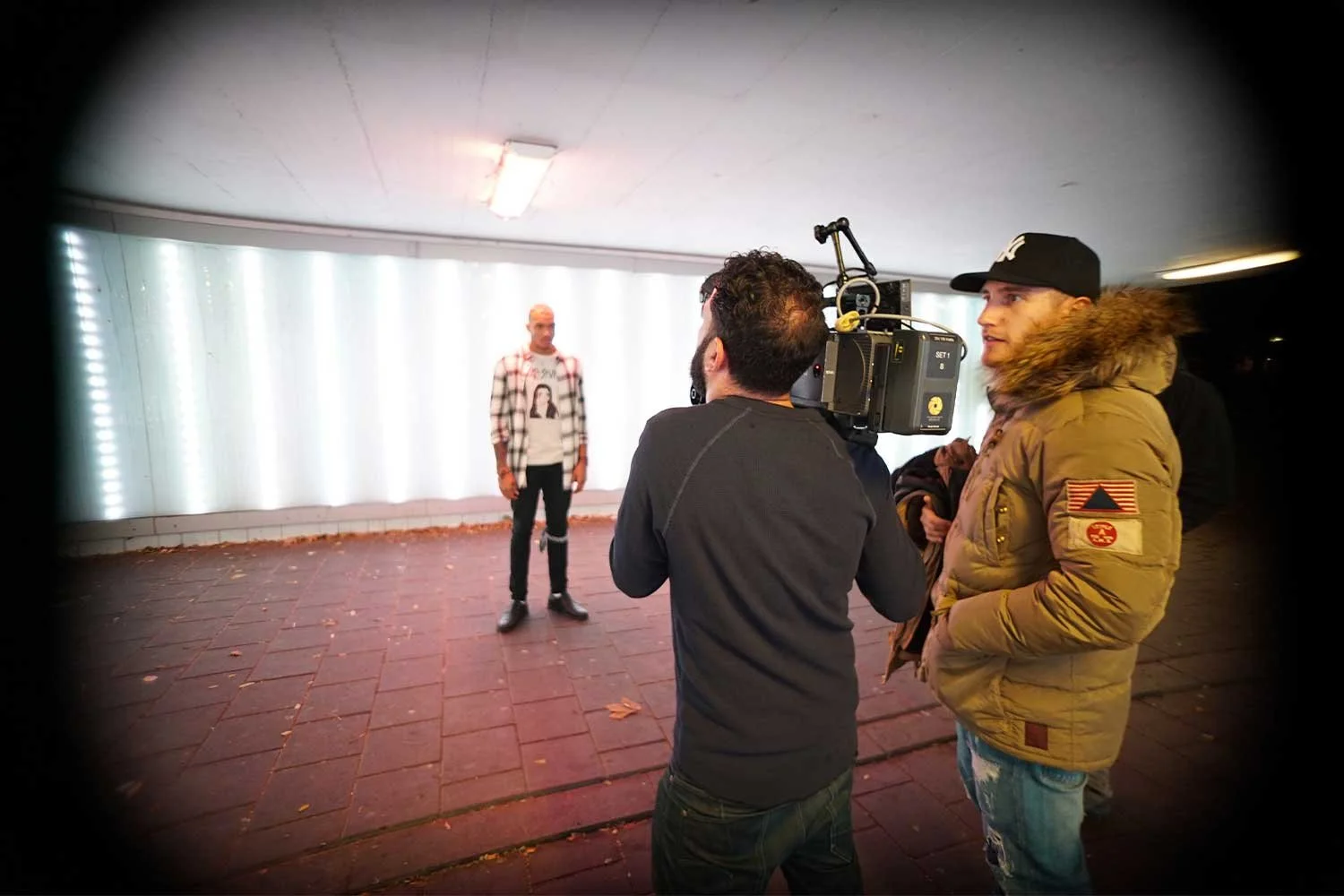
Music videos have become a powerful art form, combining music, storytelling, fashion, and visual effects to create unforgettable cultural moments. Behind every iconic music video is a fascinating story of creativity, teamwork, and technical skill. Exploring the making of these videos gives us insight into how artists and directors push boundaries to bring songs to life visually.
In this article, we’ll take you behind the scenes of some of the most famous music videos ever made. From groundbreaking techniques to the challenges faced during production, discover what it really takes to create a music video that stands the test of time.
Why Go Behind the Scenes?
Understanding the process behind music videos adds a new layer of appreciation. It highlights the collaboration between artists, directors, choreographers, cinematographers, editors, and many others. The making-of stories reveal creative problem-solving, innovations, and sometimes surprising challenges — all contributing to the final product.
For fans, these insights deepen their connection with the music. For aspiring creators, they offer inspiration and practical lessons.
1. Michael Jackson’s “Thriller” (1983)
Director: John Landis
Why It’s Iconic: The “Thriller” video is arguably the most famous music video ever. It combined horror movie elements with high production value, choreography, and storytelling.
Behind the Scenes:
- The video was shot like a short film, running over 13 minutes.
- John Landis, an established film director, brought cinematic expertise to the project.
- Michael Jackson insisted on a narrative video, which was uncommon at the time.
- The elaborate zombie dance was choreographed by Michael and Michael Peters.
- The production faced challenges, including complex makeup effects and coordinating large groups of dancers.
- Budgeted at $500,000, it was one of the most expensive videos ever made at the time.
Impact: “Thriller” set a new standard for music videos, blending music, film, and dance in an unprecedented way.
2. Beyoncé’s “Single Ladies (Put a Ring on It)” (2008)
Director: Jake Nava
Why It’s Iconic: The black-and-white video featuring tight choreography became a cultural phenomenon and spawned countless parodies and tributes.
Behind the Scenes:
- The video was shot in one continuous take to capture the precise dance routine.
- Beyoncé, Frank Gatson Jr. (choreographer), and the dancers rehearsed intensely for days.
- Minimalist lighting and no background distractions focused all attention on movement.
- The use of black-and-white gave it a timeless, iconic look.
- The simplicity of the video contributed to its viral nature.
Impact: The “Single Ladies” video helped cement Beyoncé as a visual and dance icon and influenced countless artists.
3. OK Go’s “Here It Goes Again” (2006)
Director: Trish Sie
Why It’s Iconic: Known for its one-take treadmill choreography, this video became a viral hit early on YouTube.
Behind the Scenes:
- The video was filmed in a single take with no edits or cuts.
- The band rehearsed extensively to coordinate complex choreography on treadmills.
- Filmed in a studio with simple lighting and no special effects.
- The low-budget, creative approach proved viral success didn’t require expensive production.
- The video highlighted the importance of originality and performance.
Impact: “Here It Goes Again” became a blueprint for viral music videos, demonstrating creativity over budget.
4. Lady Gaga’s “Bad Romance” (2009)
Director: Francis Lawrence
Why It’s Iconic: Known for its bold fashion, striking visuals, and narrative symbolism, this video elevated music video art.
Behind the Scenes:
- Shot over several days with complex set designs and costumes by designers like Alexander McQueen.
- Lady Gaga’s performance incorporated theatrical makeup, dance, and dramatic lighting.
- The video used multiple locations and elaborate choreography.
- Visual effects enhanced surreal and dramatic moments.
- The production combined fashion, art, and music video storytelling uniquely.
Impact: “Bad Romance” influenced music video fashion and visual storytelling for years after.
5. Nirvana’s “Smells Like Teen Spirit” (1991)
Director: Samuel Bayer
Why It’s Iconic: This video captured the raw energy of the grunge era and helped launch Nirvana’s global success.
Behind the Scenes:
- Shot in a high school gymnasium with a live crowd of extras.
- The chaotic, rebellious atmosphere was emphasized through camera angles and quick cuts.
- The band performed live on set for authenticity.
- Challenges included managing crowd control and capturing raw energy without losing control.
- Budget was modest compared to the impact it achieved.
Impact: The video became a symbol of Generation X’s angst and changed rock video aesthetics.
6. Sia’s “Chandelier” (2014)
Director: Daniel Askill
Why It’s Iconic: Featuring Maddie Ziegler’s captivating contemporary dance, this video focuses on raw emotion and storytelling.
Behind the Scenes:
- The video was shot in a single large room with natural lighting.
- Maddie Ziegler trained intensively to perform the choreography.
- The director focused on minimalism to highlight movement and emotion.
- The video’s success stemmed from the power of dance to convey the song’s themes.
- The team worked with a limited budget but delivered a visually powerful piece.
Impact: “Chandelier” renewed interest in dance-focused music videos and launched Maddie Ziegler’s career.
Common Challenges in Making Iconic Music Videos
- Budget Constraints: Even with limited funds, creativity can overcome challenges.
- Scheduling: Coordinating artists, dancers, and crews can be tough.
- Creative Differences: Balancing artist vision and director expertise requires collaboration.
- Technical Issues: Lighting, effects, and filming can present unexpected problems.
- Audience Expectations: Creating something fresh while appealing to fans is a fine line.
Why Iconic Music Videos Matter
Music videos enhance the way we experience music. They create visual memories that often outlast the songs themselves. An iconic video can define an artist’s career, influence culture, and inspire future creatives.
The making of iconic music videos is a blend of art, technology, and collaboration. Behind the scenes, countless hours of planning, rehearsing, and filming bring together moments that become etched in pop culture history.
Whether it’s Michael Jackson’s groundbreaking storytelling or OK Go’s treadmill choreography, these videos prove that with creativity and vision, music videos can transcend being just a marketing tool — becoming timeless works of art.